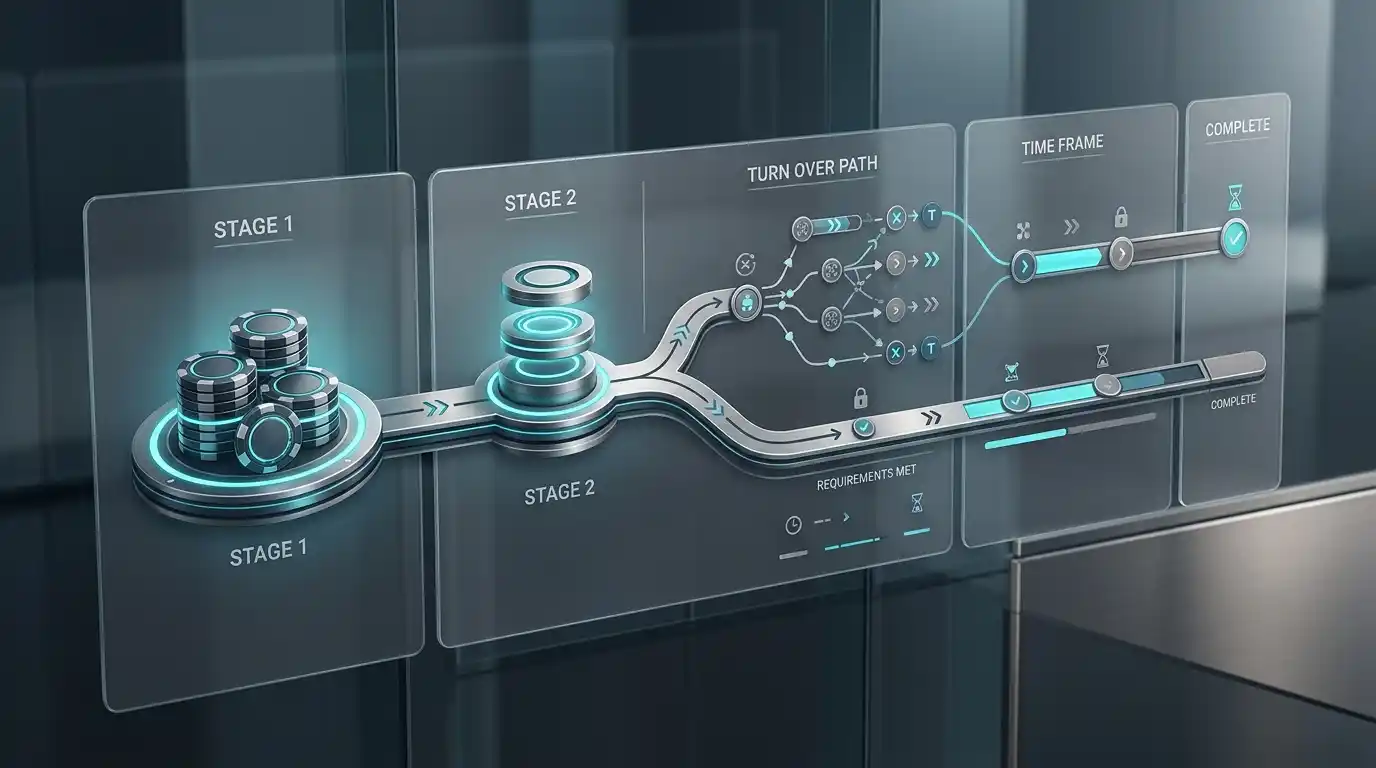
Loyalty, tokenised cashback and reward risk
FairSpin VIP guide 2026
FairSpin’s loyalty system has 10 levels running from Player to VIP Club Platinum. Rewards can include TFS-denominated cashback, while separate promotions and a brand-marketed hold/staking program sit alongside the tier system. Those mechanisms should be evaluated separately because none has the same risk or cash-value profile.
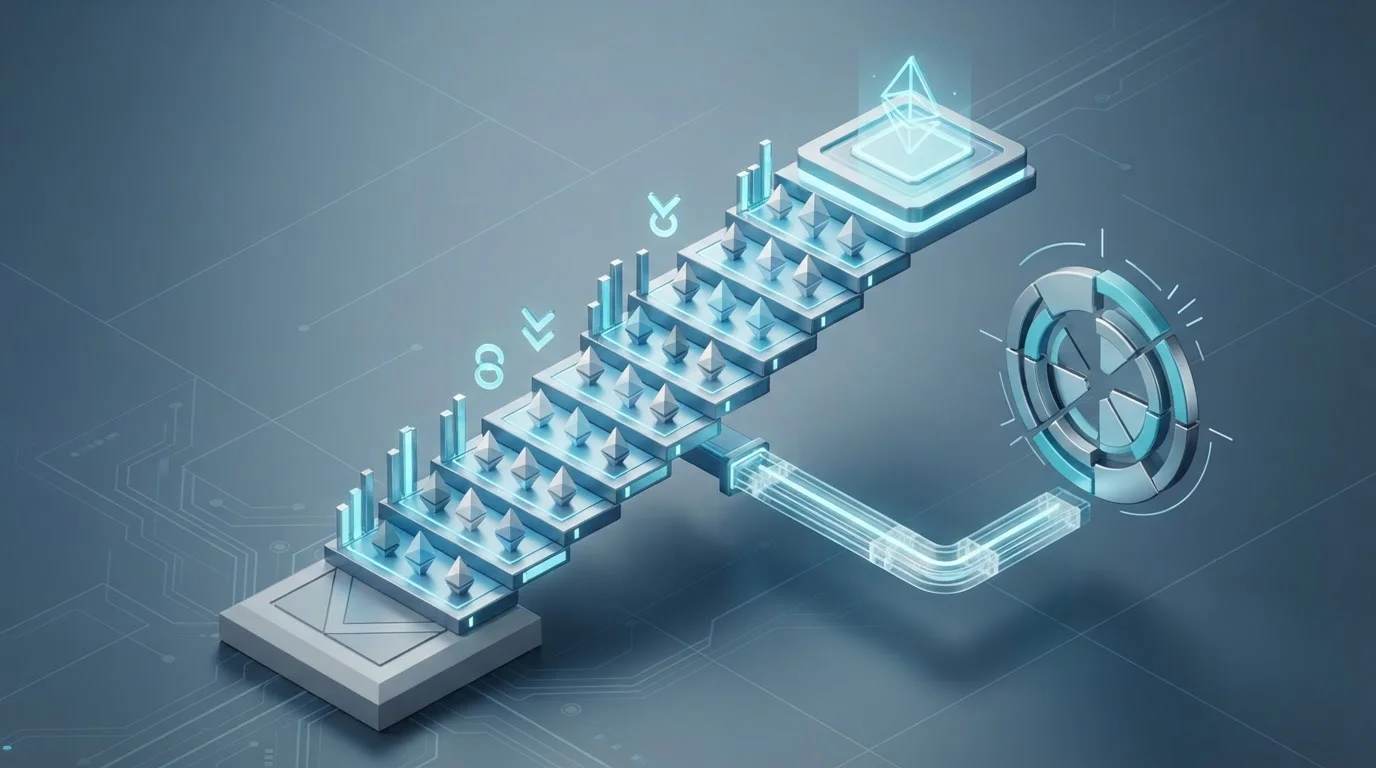
FairSpin’s loyalty ladder runs through 10 levels
The FairSpin loyalty program contains 10 levels, starting at Player and extending to VIP Club Platinum. Higher status is linked to stronger cashback or rakeback-style TFS rewards and higher play-to-earn limits.
- Loyalty levels10
- Entry levelPlayer
- Top named levelVIP Club Platinum
- Reward currencyTFS
A tier system can make regular play easier to categorize, but the number of levels does not tell you the cash value of climbing them. The relevant question is what changes at each tier and whether the reward is cash, a token amount, a promotional entry or another benefit with its own conditions.
That distinction is particularly important here because TFS is a crypto token. A larger token-denominated reward can represent more units without guaranteeing a higher future cash value. Crypto prices can move in either direction, so loyalty points and token value should not be treated as interchangeable concepts.
The safest way to approach status progression is to treat it as a by-product of activity you would already choose within a fixed entertainment budget. Increasing wagering solely to reach the next tier can turn a loyalty mechanic into an incentive to take more gambling risk than originally planned.
If you are comparing the loyalty program with the welcome package, keep the mechanics separate. The FairSpin bonus guide covers the four-deposit welcome structure and wagering conditions; VIP status is an ongoing tier system rather than another welcome stage.
FairSpin combines four reward sources that should not be valued as one pool
FairSpin’s reward ecosystem mixes loyalty status, tokenised cashback, recurring promotions and a separate TFS hold/staking program. Putting all four into a single “VIP value” number would blur important differences in liquidity, volatility and conditions.
| Reward source | FairSpin context | Main question to ask |
|---|---|---|
| Loyalty level | 10 tiers from Player to VIP Club Platinum | What changes at the next tier, and does it justify any extra play? |
| TFS cashback | Tokenised cashback in the 5%-10% range | How is the reward calculated, and what is the token worth when received? |
| Promotional spins / tournaments | Wheel of Fortune every 24 hours and periodic tournaments | What conditions apply to a specific promotion or prize? |
| Hold / staking marketing | TFS holding or staking program | What are the lock-up, asset and counterparty risks, independent of gambling rewards? |
Status is not cash
A higher tier can change access to reward mechanics, but the tier label itself has no standalone cash value.
Tokens can move in value
TFS-denominated rewards expose the holder to crypto-price movement after the reward is credited.
Promotions are event-specific
A daily spin or tournament entry should be read through its own rules rather than assumed to behave like cashback.
Staking is a financial-risk category
Holding a token for a return is different from receiving a gambling reward and needs a separate risk assessment.
TFS cashback changes the unit of the reward
FairSpin’s play-to-earn cashback is paid in TFS, with rates reported around 5%-10% depending on the loyalty context. That range should not be read as a guaranteed cash percentage because the reward is token-denominated and the exact rate can depend on status and conditions.
The distinction between token units and cash value is central. If a player receives a fixed number of TFS, the market value of those tokens can change after they are credited. A reward described as a percentage of play or losses therefore still introduces a second variable: the value of the token itself.
Reward form
TFS token rather than a fixed fiat cash payment.
Cashback range
Around 5%-10%, depending on loyalty context; not guaranteed.
Value risk
The token’s market value can change after the reward is credited.
Behavioral risk
Higher reward rates can encourage extra wagering if treated as a target rather than a by-product.
A useful mental check is to ask whether you would place the same wagers if the cashback did not exist. If the answer is no, the reward is changing the risk decision rather than merely returning value on activity you had already chosen.
The same discipline applies to transfer costs. A token reward may later need to be moved or exchanged, and network costs can affect the amount that remains. The FairSpin payments guide separates platform fees from network fees and explains why transfer rails matter.
Treat cashback as a secondary outcome of a pre-set gambling budget. Do not increase turnover just to raise the loyalty level or token reward.
The TFS hold program belongs in a financial-risk bucket, not the casino-reward bucket
FairSpin markets a hold or staking-style program tied to TFS. That is materially different from receiving a token cashback reward after play: the user is being asked to hold a volatile crypto asset under a program marketed around returns.
Brand marketing around returns should not be treated as a guarantee or as an expected outcome. Returns are not guaranteed; crypto is volatile; this is not investment advice. Any decision to hold a token for yield should be evaluated separately from whether you use the casino or participate in its loyalty program.
Questions that clarify the product
- What asset is being held and for how long?
- Can the token be withdrawn or sold during the holding period?
- What conditions determine any distribution?
- What happens if the token price falls while it is locked?
Risks the reward label can obscure
- Token-price volatility can outweigh a nominal distribution.
- Lock-up can reduce the ability to exit during a market move.
- Marketing language does not remove counterparty or platform risk.
- A gambling relationship can create pressure to treat rewards as recoverable value.
This separation also protects the meaning of the 10-tier VIP program. Loyalty status describes a casino-reward relationship; staking or holding a crypto asset is a different financial exposure. Combining the two can make a token program look more predictable than it is.
Do not use a casino reward target as the reason to acquire, hold or retain a volatile token. Financial decisions and gambling decisions should have separate budgets and separate risk limits.
Daily spins and tournaments sit beside VIP status rather than inside its core value
FairSpin runs a Wheel of Fortune that can be used once every 24 hours, plus periodic tournaments with prize pools. These are promotional mechanics, not a substitute for understanding the loyalty tiers or the value of TFS rewards.
The distinction matters because event-based promotions can change, expire or use their own eligibility rules. A daily spin might provide a reward opportunity on a schedule, while a tournament typically ties prizes to performance or activity over a defined period. Neither should be assumed to provide a fixed return.
- Identify whether the promotion is tied to a loyalty tier or open more broadly.
- Read the specific participation and prize rules before changing normal play.
- Separate token-denominated prizes from fixed cash value.
- Ignore sunk costs: once a wager is lost, a promotion does not make that loss recoverable.
Promotions can make a loyalty page look more generous because several reward types appear together. The more useful approach is to evaluate each mechanic independently and then decide whether it fits play you had already planned.
A loyalty program is most useful when it does not change your loss limit
The core behavioral risk of VIP systems is status chasing. A player can start with a fixed entertainment budget and then rationalize extra wagers because the next tier, cashback step or tournament position appears close. The reward can therefore change behavior even when its nominal value is smaller than the additional gambling exposure required to reach it.
- Set a gambling budget before checking the next loyalty milestone.
- Compare token-denominated rewards with the risk of token-price movement.
- Treat cashback rates as conditional, not guaranteed cash returns.
- Keep staking decisions separate from casino play and promotional rewards.
- Use game-level rules and limits rather than loyalty status to choose what to play.
If a higher level requires more wagering than you would otherwise choose, the extra status is not a discount on that risk. It is an incentive attached to additional exposure. The FairSpin games guide can help separate game mechanics from the loyalty layer so session choices are not driven by reward progression alone.
Responsible gambling controls still apply regardless of tier. Set time and money limits before a session, avoid chasing losses, and stop if gambling stops being recreational. Gambling Therapy offers international support; check the helpline available where you live.
FairSpin VIP FAQ
How many FairSpin VIP levels are there?
FairSpin has a 10-level loyalty program running from Player to VIP Club Platinum.
What is FairSpin’s TFS cashback?
It is tokenised cashback paid in TFS. The 5%-10% range depends on loyalty context, while the rate and token value should not be treated as guaranteed cash returns.
Is TFS cashback the same as cash?
No. TFS is a crypto token, so the number of tokens received does not guarantee a fixed fiat value and that value can change.
Does FairSpin market a TFS staking or hold program?
Yes. FairSpin markets a hold or staking-style program tied to TFS. Returns are not guaranteed, crypto is volatile, and the program should be considered separately from casino loyalty rewards.
What other FairSpin promotions are there?
A Wheel of Fortune is available once every 24 hours, alongside periodic tournaments. Their current rules should be checked before participation.
Read next
- FairSpin bonus and wagering terms
- FairSpin payments and network fees
- FairSpin review
- FairSpin games and fairness options
FairSpin’s 10-level VIP system mixes casino rewards with token exposure
The loyalty ladder is straightforward to identify, but its rewards are not all equivalent. TFS cashback introduces token-price risk, daily spins and tournaments use their own promotional rules, and the separate TFS hold program adds financial exposure beyond ordinary casino rewards. Keep those categories separate and let a fixed gambling budget set the pace rather than the next tier.
Written by the editors at FairSpin.